
LITTELFUSE 229007P FUSE 125V SB 2AG PB-FREE 7A
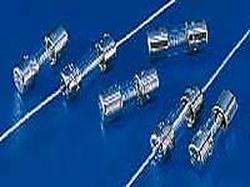
LITTELFUSE 229007P FUSE 125V SB 2AG PB-FREE 7A
Stanion #229007PLIT
MFG #229007P
UPC #079458915624
Prop 65
Product Overview
Littelfuse® 229/230 series Slo-Blo® fuses are available in 2AG size cartridge or axial lead form, offer tripped fuse indicating option and offer features designed to meet rigorous Telecom industry requirements. 229/230 series product ordered with the tripped fuse indicating option show discoloration of the glass body immediately after trip. They offer the same performance characteristics as standard product and help to reduce time locating the tripped fuse and troubleshooting circuit issues. The 229/230 series 0.25 to 1.25 A range combines conventional overcurrent protection with ability to withstand high current, short duration pulses which complies to short circuit requirements of UL 60950-1, UL 62368-1 for telephone equipment. Insulating sleeve option is also available. Refer to the surge withstand specifications section of this document for additional information.
- Attributes
- Documents
- Item Features
- Standards
BrandLittelfuse®
Amperage Rating7 A
Body Size0.19 in Dia x 0.59 in L
Body TypeCartridge
Country of OriginMX
Indicating/Non-IndicatingNon-Indicating
Interrupt Rating400 A
Manufacturer NameLittelfuse
MaterialGlass
Mounting TypeHolder
Response Time3 to 20 s
Series229
TypeType 2AG Time Delay
Voltage Rating125 VAC/VDC
Other
- 229 series 2AG fuses have time delay of 313 series 3AG fuses in less than one-third of the space
- They provide superior protection for inductive loads such as motors, transformers and solenoids
- Use whenever time delay fuses are indicated
- Guesswork and time consuming circuit testing is eliminated
- This unique design offers the same quality performance characteristics as the standard 2AG fuse design
- Lead-free
- 4 hr at 100%, 1 hr at 135%, 3 to 20 s at 200% response time
UL 248-14|cULus File No. E10480|PSE Certified|CSA File No. 29862|CE Certified|PROP65: This product can expose you to chemicals including nickel, which is known to the State of California to cause cancer